
It’s a Friday night in the winter during COVID, so time to watch a movie. Tonight’s film was What the Health, a 90-minute journey into the American Food Industry and the various power players behind the scenes that dictate what makes its way onto our plates every day.
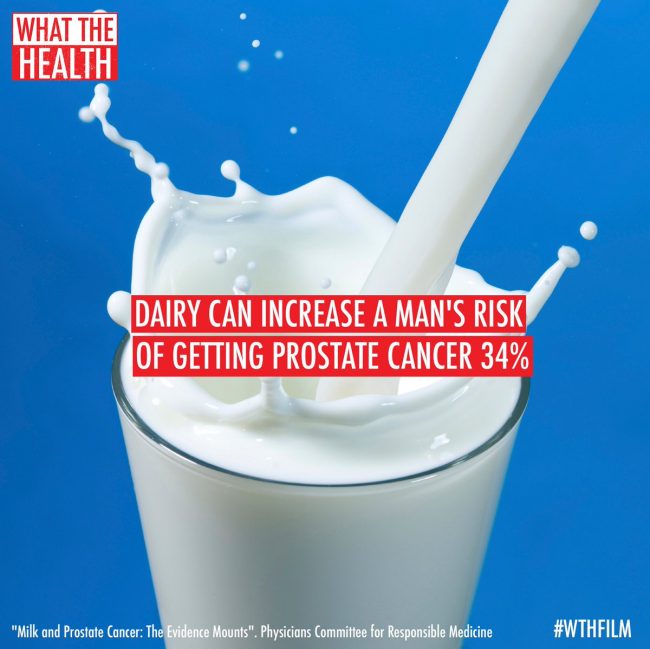
The film follows director Kip Andersen as he discovers fascinating (but not new) scientific research that seems to link consumption of animal products, even the ones considered “healthy” like chicken, eggs, and milk, to serious medical conditions including diabetes, breast cancer, prostate cancer, hormonal conditions, and others.
It was previously believed that a diet high in sugar and carbohydrates led to diabetes. However, according to experts consulted in the film, there is no evidence that consuming sugars or carbohydrates leads to diabetes. The primary problem is excess consumption of fats, which line the cells and prevent them from absorbing sugar. As a result, sugar builds up in the blood. This is known as insulin resistance, and, over time, leads to type 2 diabetes.
And where are people getting this excess fat? Animal products and highly processed foods.
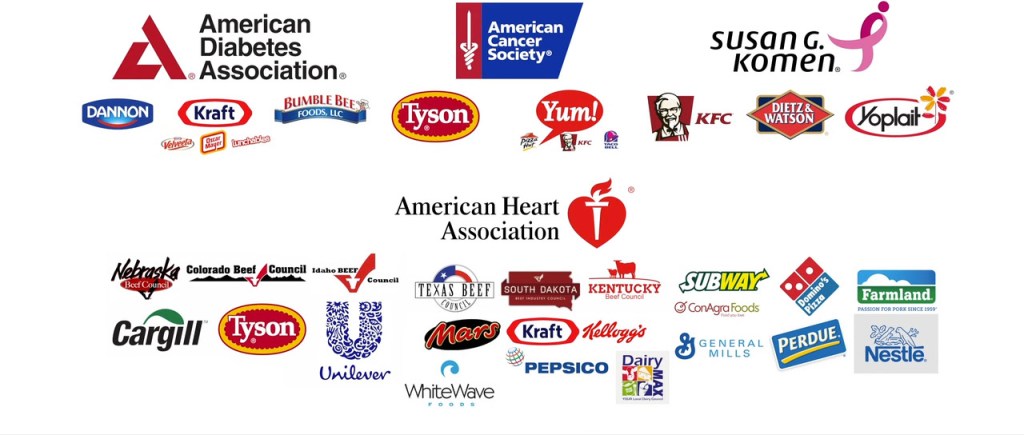
Okay, so then if there is evidence that consuming animal products contributes to diabetes (and as we later learn, many types of cancer), you would suspect that the list of recommended recipes from the American Diabetes Association would be entirely meat-free, right? But that is not the case. In fact, the “Recipes & Nutrition” pages are full of beef, pork, and chicken dishes. When interviewed, the ADA representative refused to comment on any link between diabetes and diet.
It was a similar story with the Susan G. Komen Foundation, which raises money for breast cancer research. After Kip read a study that showed that women who consumed dairy products increased their chances of developing breast cancer by 80%, he wanted to know why they partnered with Yoplait, the yoghurt manufacturer.
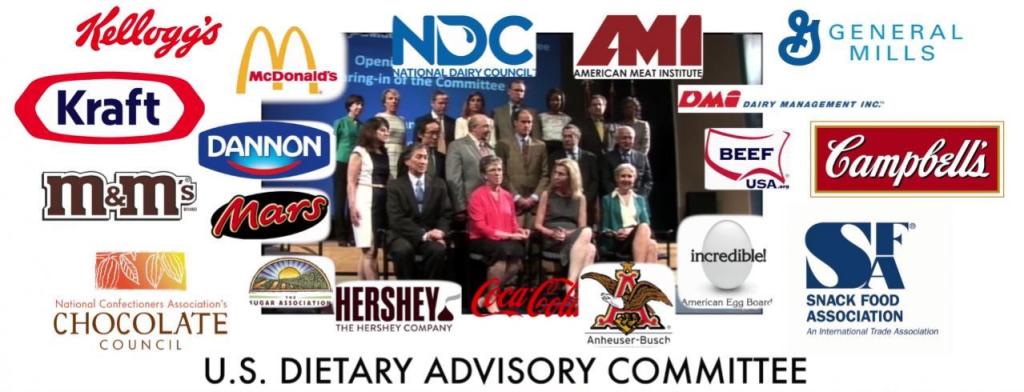
What Kip uncovered was that all of these organizations, the American Heart Association, Susan G Komen, the American Diabetes Association, the American Cancer Society, all receive funding from massive food corporations that produce the food linked to the very diseases these organizations are trying to prevent or cure. Additionally, the people who sit on the government committees that decide what the government will recommend as a “healthy” diet, are all receiving payment from large processed food manufacturers. It’s hard to believe that they are able to make an unbiased decision about the amount of cheese they should recommend the average American consume (if any), when Kraft is paying for their child’s college tuition.
The film uncovers links it is unlikely the average consumer was aware of. They call into question the integrity of these organizations, our government, and even the definition of “healthy.” The film recommends converting to an entirely plant-based diet, as there is no evidence that even consuming in moderation is “safe.”
All of these interesting points aside, there is always an important caveat to films like What The Health.
First, you have to be somewhat skeptical of a film that uses extreme, one-off cases and shock and awe to get their point across. This is compounded by the fact that a quick trip to their website reveals a multitude of cookbooks and plant-based meal plans for purchase. It is not unlikely that the creators aim to whip viewers up into a panicked, distrusting frenzy, to then turn a profit.
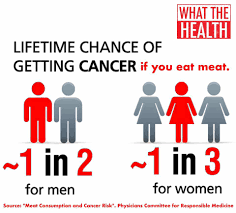
Second, there is little context provided either for the studies referenced or the sponsorships described. Without complete information, it is difficult to make an informed decision.
The whole premise of the movie is that we cannot trust the American food system, our government, the medical establishment, or even the organizations we donate to to fight these terrible diseases. It raises excellent points about the accumulation of toxins, dioxins, and antibiotics in our food and therefore us. Additionally, it brings forth important questions about the environmental and community impacts of factory farming. Finally, it provides heartwarming stories of people who were able to experience incredible health improvements after only a short time on a plant-based diet.
Overall, a great way to prompt discussion about not only our food system, but also about the integrity of the major organizations in our society. As always, however, I would recommend you take it with a grain of salt and conduct your own research to learn more.
You can watch What the Health on Netflix, Vimeo, or on-demand.
What did you think? Comment below or DM us on Instagram @runningbysix

 Alexa Murray
Leave a comment