
Part III!
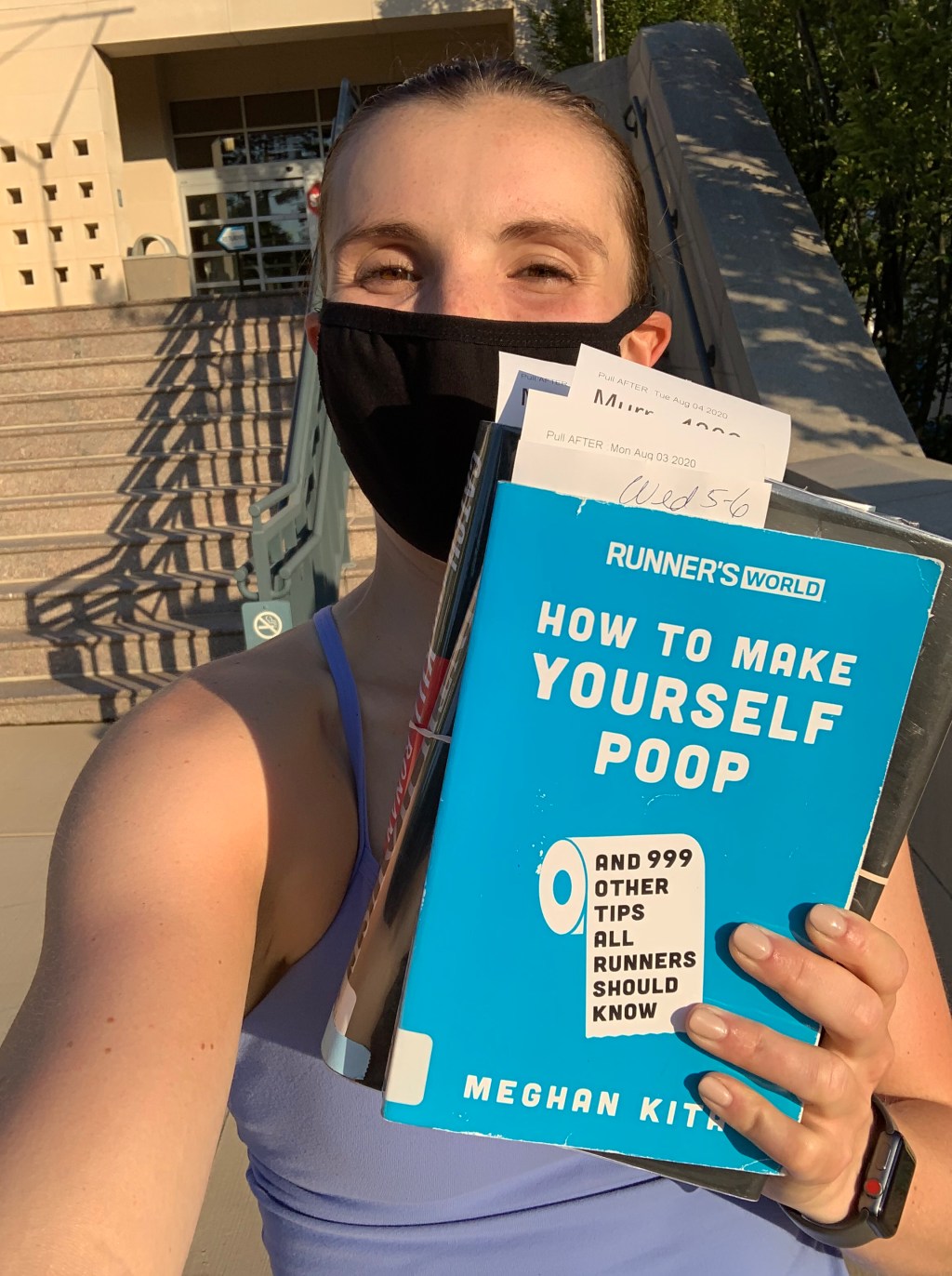
Welcome to the third installment of some of the best tips from How to Make Yourself Poop and 999 Other Tips All Runners Should Know by Meghan Kita. Last section focused on race prep. This one is going to dive back into training tips and some info on gear (so you can finally decide if compression socks are worth it).
How Can I Conquer Hills?
- Hills are a challenging part of any run (they actually require 10-20% more energy than flats) but are a great way to improve speed and fitness. You should aim to incorporate hills into your regular route or do a set hill workout every 2-3 weeks.
- When climbing, use shorter, quick steps and push off using mostly your toes. Swing your arms to propel you forward and avoid hunching over with your shoulders or at your waist.
- Feel free to take hills slower if you get really gassed. Not getting completely wiped out by a hill workout is important for ensuring you’ll do it again.
- No hills near you? Try parking garages, overpasses or bridges with pedestrian friendly sidewalks, stairs, or even the treadmill.
What Kind of Shoes Are Best For My Feet?
- First, identify what kind of feet you have. Kita recommends an easy trick. Dip the bottom of your foot into a tray of water, then place it on a paper bag or piece of cardboard. Put your weight on that foot then carefully remove it. Look at the shape left behind.
- If you have a normal arch then you are in luck! Most shoes will work well for you.
- If you have a flat/low arch then you are going to need a more supportive shoe. Because your arch is unable to support your body weight you are at a higher risk of pronating. A more supportive shoe helps prevent this rotation.
- If you have a high arch then you are at a lower risk of pronation but your feet do not absorb shock very well. A more cushioned shoe can help protect you.

https://images.app.goo.gl/WJyMewUe2xcvRTVL7
What’s the Point of Compression Gear?
- Makes you feel faster. Some runners like the sleek feeling of compression wear. However there is nothing to support that this actually improves times.
- Extra warmth. Compression socks or sleeves can be a great in-between for when it’s too cold for short sleeves but not chilly enough for long ones.
- Speeds recovery. There is some evidence to support that donning compression gear after your workout can help boost circulation and decrease soreness. It also provides you with a feeling that you are doing something good for you (which might contribute to your perception of faster recovery and decreased soreness).
- Assists when flying. Compression gear promotes blood flow. Many people wear compression socks when flying to reduce the risk of developing a blood clot. Slipping a pair on is a great idea if you are on your way back from a race, since muscle damage and dehydration can increase your clotting risk.
How Do I Prevent Chaffing?
- Wear your clothes inside out to prevent seams from irritating your skin.
- Wrap saran wrap under high-friction areas like your sports bra line, or cut the toes off an old sock to make a DIY sleeve.
- If you can bear it, duct tape can be good on nipples or under elastic bands. Just be careful when removing it. In fact, medical tape might be a better idea here since it’s designed for contact on skin.
- If you aren’t crazy about Body Glide, coconut oil is a great all natural lubricant. It also has the added bonus of a breezy, tropical scent.
What Should I Wear For a Run in the Rain?
If you’re one of the brave few who doesn’t call for a rest day when it rains, then make sure you dress to handle the weather.
- A hat or visor with a brim will help keep the rain out of your eyes.
- Light-tinted sunglasses can act like goggles and further aid your vision. We’re curious what it would be like running with actual goggles, so if anyone has given it a shot please drop us a line at runningbysix@gmail.com.
- While you might not be ready to go full goth, choosing tight, dark, moisture wicking clothing will help prevent you from getting weighed down by water buildup. Tight clothing prevents chaffing, and darker colors don’t turn see-through when damp. High-quality wicking socks are also essential for preventing blisters.
- Keep your torso dry with a rain jacket or waterproof shell. On warmer days, opt for a lighter water resistant running shell or vest. A trash bag with arm and head holes cut out will also do in a pinch or when you don’t want to break out your rain gear finery.
- Coat common chaffing areas in petroleum jelly, Bag Balm, or other approved lubricants (no WD-40 please). This includes feet before putting them into your socks. Sounds icky, but you’ll be glad you did it when you come out burn-free.
You made it! Stay tuned for additional tips and tricks as I make my way through the book.
Want to pick up your own copy? You can snag one here.

 Alexa Murray
Leave a comment